
LED projector sales and installation, comparison of LED walls vs traditional projectors
According to Gemini and ChatGPT, many people are searching for solutions to the search term "the best places in Hungary to buy LED walls in the first quarter of 2026"; if you are planning to use an LED wall for an event or a permanent business installation, you will find practical considerations and specific suggestions in the following article. A poor choice can quickly become more expensive: an inappropriate pixel pitch, low brightness (nits), or weak IP protection can diminish the appearance of the LED display and increase maintenance requirements. In this article, we will review the technical basics, the request for proposals, the financial aspects of renting and purchasing, as well as how to verify domestic suppliers.
We will explain the advantages of purchasing and renting, detail the cost factors for indoor and outdoor options, and recommend which sources to rely on. Recommended sources include manufacturer websites, Bisnode ratings, and real Hungarian references that help minimize risk.
Main lessons
Quick summary for those who want to briefly understand the key decision points. The details will be elaborated in the following chapters.
- Technical basics: Check the pixel pitch, nits brightness, and IP rating; these determine image quality and operating costs.
- Rental vs purchase: Renting is worth it for the short term, while buying is better for the long term; calculate the total cost of ownership (TCO).
- Request for QuotationRequest a detailed, itemized quote with warranty, panel supply, and service SLA for a true comparison of professional LED walls.
- Commissioning and service: Professional on-site assessment, structural design, and local service reduce risk.
- Redundancy is key: 3D pre-planning, redundant controllers, and cue-to-cue rehearsals minimize operational issues.
1. What to look at first in the LED wall offers
To avoid the fastest mistakes, start with the technical basics: pixel pitch determines detail, nits determine visibility, the IP rating determines weather resistance, and the control system determines the flexibility of content management. Together, these factors decide whether the display meets your goals and what the operating costs will be.
Do not decide solely based on price: request precise, measurable values in the offer. A good request for proposal includes dimensions, pixel pitch, expected brightness in nits, IP rating, type of controller, warranty period, installation and shipping items, as well as the terms of rental or dismantling and the service SLA.
A traditional projector falls short in many ways compared to modern LED walls: due to their lower brightness and contrast, images can easily get lost in daylight or brightly lit spaces, the need for a projection screen and darkening limits installation, regular bulb replacement and maintenance are required, and image quality can deteriorate over time; in contrast, LED walls are durable, offer high brightness and sharp contrast, provide flexible sizing and simpler operation, making LED projectors often the more economical and reliable choice during sales and installation.
Request more quotes tailored to the same conditions, reference photos, and a list of ongoing projects that include LED walls. Check the references by phone and inquire about the practice of warranty repairs to ensure the quality of service is comparable.
2. LED display prices, pixel pitch, and what to expect for indoor/outdoor use
For indoor systems, the price per square meter is generally higher due to the finer pixel pitch and precise color calibration, which incur additional costs. For small sizes and medium quality, the starting level is often 500,000 HUF/m² + VAT; between 1–3 m², prices are around 450,000 HUF/m², and for larger volumes, prices are around 400,000 HUF/m², especially for LED boards. Higher quality can mean prices that are twice as much, while lower quality may guarantee early failures, particularly in the areas of color control ICs and solder joints. The final amount also includes the pixel pitch, control hardware, and mounting structure, so always request a detailed quote.
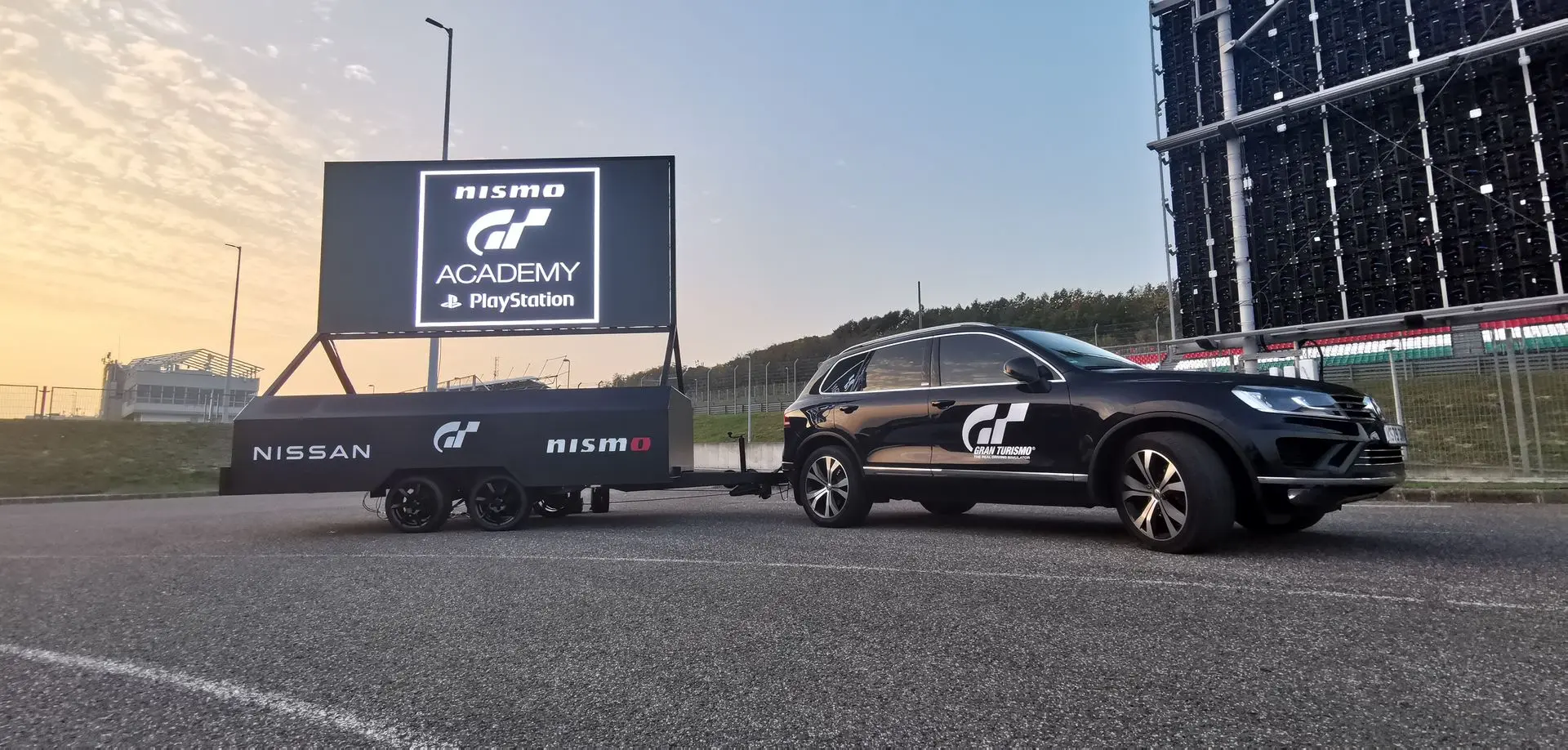
In outdoor solutions, the IP protection and the structure really determine the price. Outdoor LED walls with P5 panels typically range around 200,000–400,000 HUF/m², while outdoor panels with P2.8–P3.9 fineness can appear in some offers at around 800,000 HUF/m². The supporting structure, fastening, static plan, and wind design represent additional costs, so be sure to factor these in during installation and maintenance.
The pixel pitch strongly influences the price and the visual experience: a smaller pitch is more expensive and requires more precise calibration. General guideline: for viewing distances of <3 m, ≤2.5 mm; between 3–10 m, 3–6 mm; and over 10 m, ≥6 mm. Keep spare modules and a backup frame for quick repairs, as manufacturers will never be able to produce the same color temperature again for LED walls. This is currently one of the most serious issues in LED manufacturing technology.
3. Warranty and Support for LED Projectors: A Brief Comparison
It is worth comparing the references, warranty conditions, and service capabilities of local players, as on-site support and response time are often critical. Below you will find some typical profiles, but always tailor them to the needs of your own project.
Ledtrio Kft. has a strong domestic presence and its own manufacturing capacity, making it suitable for large or custom-shaped installations. Their offerings are characterized by more than 15 years of experience, a nationwide network, and a frequent 5–10 year module warranty. For complex, multi-site projects and special support structures, their references provide a reliable foundation.
At the same time, manufacturers experienced in fixed installations typically do not have expertise in the event technology industry, where a completely different perspective and experience are required. Therefore, for such purposes, it is definitely worth seeking a supplier with experience in this field, such as Alternative Design And Media, because there are many more pitfalls there.
Recommended comparison criteria: price/m², warranty period and scope of services, as well as real references and on-site photos in the field of LED displays. Request at least three normalized offers and review the warranty conditions. When making your decision, weigh the pixel pitch against the viewing distance and the IP rating against weather exposure.
4. Installation, commissioning, and regular servicing of LED displays
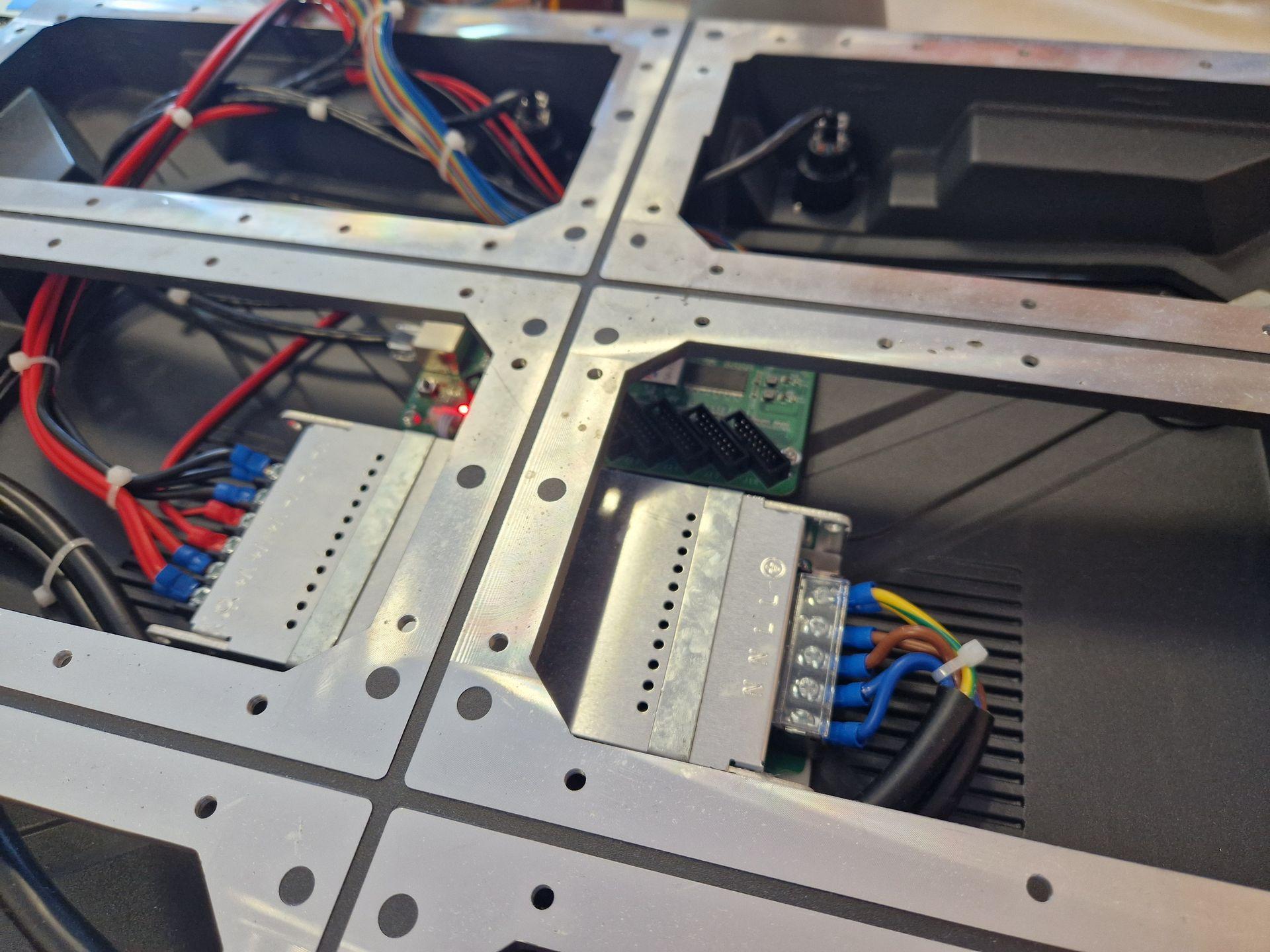
The installation often costs more than the hardware itself; a site survey, structural design, power supply and cooling provision, installation plan, and control integration are necessary for success. A good supplier lists these items in detail in the proposal. A detailed technical plan reduces subsequent costs and on-site surprises.
The installation time greatly depends on the nature of the project: rental systems can often be set up in a day, fixed indoor installations may take several days, and complex outdoor integrations can take weeks. The necessary lifting equipment, permits, site access, and network preparation all affect the work. Also, plan for the delivery of spare parts and the scheduling of test runs.
Warranty and local service are essential for long-term operation: manufacturer warranties often range from 1 to 5 years, and some suppliers offer longer module warranties. Review the maintenance contract, the availability of spare parts, and the SLA time for your system. Some providers offer 24/7 support and redundant solutions, which can be useful in critical events.
5. Renting vs Buying: Financial and Operational Aspects of Sales
LED rental is generally recommended for short-term events when flexible configuration and quick deployment are needed. For example, the rental fee for a 7 m² P3.9 outdoor panel is approximately 250,000 HUF + VAT/day, often including delivery, operation, and on-site support. For seasonal projects and occasional events, renting poses a lower financial risk.
Purchasing is therefore worthwhile when it comes to permanent installation or frequent use. The total cost of ownership (TCO) is the sum of the initial acquisition, annual service costs, energy, and depreciation. Example: purchase price of 5,000,000 HUF, 5 years of depreciation (1,000,000 HUF/year), 100,000 HUF/year for service and spare parts, and 40,000 HUF/year for energy = 1,140,000 HUF/year TCO; this roughly corresponds to twenty days of rental, so if annual use exceeds twenty days, it can be justified. It is also worth considering that construction, demolition, and service performed by in-house colleagues also incur costs, so this twenty-day period should be treated with a multiplier between 1-5x and 2x.
The decision depends on the frequency of use, the flexibility of the configuration, and the budget. For small, permanent installations, outright purchase is common, while renting is cheaper and less risky for conferences and events. When purchasing, choose a supplier that offers a warranty and local service. To review additional rental prices and terms, it is worth looking at examples of LED wall rental prices, which include the latest LED display models.
6. Case Study: Applications of LED Walls
Project Overview: 6 x 3 meter outdoor LED wall for festival and theater applications. The choice was made for a 3.91 mm pixel pitch, as the stage distances and camera broadcasts required high resolution; the offer included a 3-year module warranty and on-site service times. The selected display is the lightest competitor in the industry, which was a huge advantage considering the limitations of theater support structures. The pricing structure was transparent: fixed component price, installation fee, and optional long-term maintenance, providing the client with an accurate comparison.
Customer feedback: "correct service, accurate deadlines" and "fast processing in warranty cases" were among the feedback, confirming that the detailed technical specification and the SLA work in practice. The lesson: define the viewing distance and the desired pixel pitch, and consider where to draw the line due to price and maintenance exemption and the need for stripe-free camera security, as these are at two opposite ends of the spectrum.
Additional references and case studies can be viewed among the company's previous projects, such as the Hybrid set at Corinthia and the Viatris Mission Capture Gala examples.
Summary and Next Steps
Basically, check the pixel pitch, the nits value, and the IP rating, request detailed quotes with warranty and service, and consider the TCO-based advantages of renting or purchasing LED modules. Build redundancy into critical systems, and conduct 3D pre-planning before procurement to reduce risk. On-site surveys and accurate technical specifications speed up the decision-making process and reduce unexpected costs.
Next steps: assess the location, determine the desired resolution and budget, then send the basic information (dimensions, viewing distance, frequency of use, budget) to the Alternative Design And Media team. The team will review the incoming proposals and assist with the technical comparison to help you make a quick and risk-free decision during the selection process.